Packing auto parts without tape: cohesive kraft for aftermarket parts and kits
Where cohesive kraft works for aftermarket auto parts and kits, where it does not, how to wrap a kit without tape, and which roll widths to order.
A parts kit can leave the warehouse in perfect shape and still arrive looking second-hand. Nothing broke.
The pieces just rubbed against each other for a week in the box.
My short answer: cohesive kraft (also sold as self-seal, cold seal or seal-to-self paper) suits aftermarket parts and kits that need protection from scuffs, dust and rubbing. The paper sticks only to itself, so you wrap the part, press the edges, and it stays closed with no tape on the part. It gives no cushioning at all. So glass, lamps and heavy parts with sharp corners need cohesive corrugated wrap or a real cushion, and rubber parts and high-gloss finishes need a quick test first.
Checked against sources on 29 October 2026.
I should say where I stand. We make this paper. We coat the kraft with a natural rubber latex cohesive on our own coating line in Jaipur, and slit it to width on the same site. So I look at it from the factory side, and I will tell you where it fits a parts business and where it does not.
A wrong switch costs more than the paper.
How cohesive kraft closes without tape
One face of the paper carries a thin coat of natural rubber latex. Pregis, a large US maker of these materials, explains on its cohesive materials page that they "adhere only to themselves" and never to the contents, and that light pressure is enough to close them.
It works like the press button on a school bag. Each half grips only its own partner and ignores everything else.
So the rule on the packing bench is short. Coated face must meet coated face. Fold the paper round the part with the coated faces inside, press the edges together, and the wrap is closed. There is no tape gun on the bench, no tape to cut at the other end, and no sticky tape line on a finished part.
Which auto parts it suits
I only trust uses that sellers and makers put on their own pages. For parts, they agree with each other.
- iPack, a US packaging distributor, lists auto part fulfilment, replacement and aftermarket parts, parts kitting, and trim and moulding on its cohesive applications page.
- Pregis lists industrial and auto parts as a use for its cohesive paper and linerboard.
- American Printpak, a converter in Wisconsin, recommends cohesive kraft for wrapping furniture or automotive parts, and lists gaskets and seals as a market on its cohesive kraft page.
- Independent Paper Converters in Ontario lists hardware and parts, gaskets and seals, and powder coating as uses for its cohesive kraft packaging paper.
Our own product page names spare parts for the automobile and furniture industries.
From that list, these are the parts I would wrap in it first.
- Kits. Each component gets its own wrap, so a bracket cannot scratch the bolt beside it.
- Trim strips and mouldings. They are long and light, and their finish is the whole point.
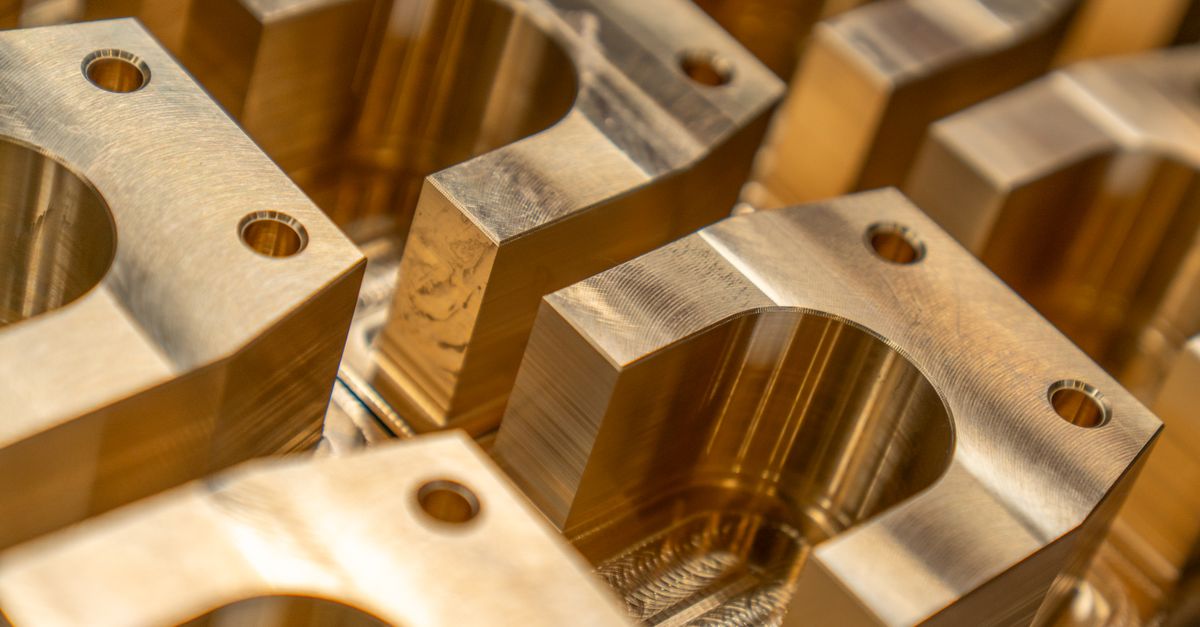
- Hardware and small machined parts that must reach the fitter clean.
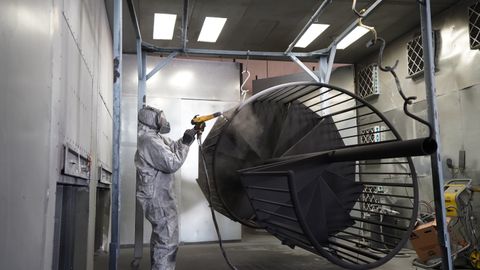
- Painted and powder-coated brackets and covers, after a small trial on your own finish.
- Gaskets and seals, with one warning.
The warning on rubber parts
Two North American makers list gaskets and seals as a use. Hisago, a Japanese stationery company that sells a cohesive kraft roll, warns on its product page against wrapping rubber products, PVC items or long-pile items directly.
I cannot tell you which advice fits your gasket, because rubber compounds differ a lot. So test your own seals. Wrap a few, leave them for your longest real storage time, then check the rubber and the paper before you change the line. The full method for finishes is in our guide on whether cohesive paper leaves residue.
Where cohesive paper is the wrong choice
Self-seal paper protects against dust, scuffs and scratches. Our own product page says glass and ceramics are not recommended.
It gives no cushioning, and that is its biggest limit.
| Part or need | Flat cohesive kraft? | Better choice |
|---|---|---|
| Trim, mouldings and small finished parts in a kit | Yes | |
| Light hardware and machined parts | Yes | |
| Heavy cast or forged parts with sharp corners | Not on its own | Cohesive corrugated wrap, dividers or a cushion |
| Glass, mirrors, lamps and lenses | No | Cushioning such as honeycomb paper or bubble wrap |
| Bare steel going by sea | Only as an outer wrap | Rust-preventive oil or a VCI product underneath |
| A finish that must stay covered through machining or fitting | No | Surface protection film |
Two rows need a word.
The corrugated version has a fluted layer that takes some knocks. Uline, for example, sells its cohesive corrugated wrap for non-fragile items, in widths from 12 to 30 inches. It is the next step up when flat paper is too thin for the part.
Surface protection film does a different job. It stays on a panel or a profile through cutting, bending and fitting, and is peeled off at the end. Cohesive paper comes off when the box is opened. If your parts need cover through processing, read our guide to choosing surface protection film instead.
Wrapping a kit, step by step
- Find the coated face first. Cut two small pieces and press them together in different ways. The faces that bond are the coated ones.
- Pack parts clean and dry. Dust or oil caught between the coated faces weakens the bond, so keep the sealing edges clear.
- Cut a piece that covers the part with room to spare, and lay the part on the coated face.
- Fold the paper over and press the edges firmly together all round. Hisago asks for at least about 25 mm of pressed seal around the contents, which is a sensible starting point.
- Wrap each component of a kit on its own before it goes in the box. If your paper is coated on one face, the outside of each wrap is plain paper, so wrapped parts do not stick to each other or to the carton.
- Write the part number on the outside of the wrap or on the box, never on the coated face.
- Fill the empty space in the carton. The paper does not grip the box, so wrapped parts can still slide about.
Choosing width and paper weight
Our product page gives the simplest method. Measure around the part (its girth), add the overlap you need for the seal, and choose the width from that. For a kit, size the roll for the largest common part and cut smaller pieces for the rest.
Roll sizes follow two systems. North American stockists sell 700 ft rolls in widths from 5 to 30 inches, and Zynpak in Canada describes its paper as 40 lb kraft. In the UK, rolls are 200 m long, for example 200 mm wide at Hub Packaging and 300 mm at KB Packaging.
We slit ours to the North American widths of 6, 7.5, 10 and 15 inch on rolls of about 705 ft, and to the European 300 and 600 mm on 200 m rolls. Every roll sits on a 3-inch (76 mm) core, and other widths up to the jumbo width are made on request. We have made it at 65 and 80 GSM. If your parts need a heavier wrap than that, ask us first, or look at the corrugated version.
The widths we slit, and a quote form, are on Jagannath Polymers' self-seal paper page.
Will it save packing time?
Distributors say it does. iPack's applications page talks about cutting labour costs. I would not take anyone's percentage on trust, mine included.
Time one packer on twenty kits closed with tape and twenty wrapped in cohesive paper, on the same day. That number is the one that matters for your bench.
Latex, packers and recycling
The coating is natural rubber latex. If anyone on your packing bench has a latex allergy, give them gloves, as our product page advises, and check that the paper suits your workplace. Latex-free cohesive grades do exist in the market, and American Printpak offers both latex and latex-free cold seals. If you need latex-free, ask your supplier to confirm it in writing.
We sell our paper as 100% recyclable, because it goes in with paper and cardboard recycling, and as biodegradable, because the base is plain kraft paper. It is also water-resistant. It is still paper, though, so keep wrapped parts out of rain and standing water.
What to do next
- Sort your parts into three groups: finished parts that only need scuff and dust cover, heavy or sharp parts, and fragile parts.
- Try cohesive kraft on the first group only.
- Test rubber parts and glossy finishes on your own samples before the switch.
- Time the packing against tape, on the same kits and the same packer.
- Order the width that suits your largest common part plus the seal.
Send us your part sizes and how they ship through our contact page. We will suggest a width to trial, and we will honestly tell you if cohesive paper is the wrong wrap for those parts.
Questions buyers ask
Will cohesive paper stop parts from rusting?
No. It keeps dust and dirt off and stops parts rubbing, but it is not a rust preventive. For bare steel going by sea, keep your rust-preventive oil or use a VCI product under the wrap. Pregis, for example, lists a VCI option in its cohesive film range. Keep the oil away from the edges where the paper seals.
Can I run cohesive paper on a packing machine?
Yes, in roll form. Pregis says its cohesive materials work by hand or with automation, and iPack writes that some automated cohesive packing machines reach 15 to 35 packages a minute. Ask the machine maker which roll width, core and roll diameter it takes before you order paper.
Is flat cohesive kraft enough for heavy cast parts?
Usually not on its own. Flat paper gives no cushioning, and a heavy part with sharp corners can push through it and dent the part next to it. Use cohesive corrugated wrap, dividers or a proper cushion for those, and keep the flat paper for light parts where the finish is what matters.